The internet loves side hustles. Every week there's a new video, thread, or newsletter promising an extra $1,000 per month through freelancing, content creation, affiliate marketing, AI tools, e-commerce, or some combination of all five. The underlying message is always the same: keep your job, start something on the side, and eventually you'll have financial freedom.
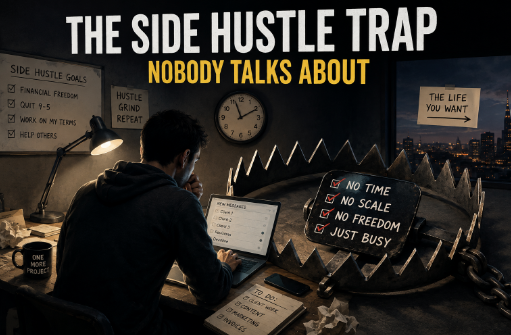
What almost nobody talks about is that side hustles can become a very comfortable trap.
Many side hustles fail not because of bad ideas but because of divided attention, a challenge that solo founders often face as discussed in You Probably Don't Need a Co-Founder.
The trap isn't failure. Failure is usually obvious. The trap is moderate success. It's earning enough money to feel productive, but not enough to create meaningful leverage. You spend evenings and weekends serving clients, managing projects, answering messages, and chasing invoices. The income is real, which feels encouraging, but the business never becomes substantially easier to run than the day you started.
Many people believe they're building a business when they're actually creating a second job. The distinction matters because jobs scale with time while businesses scale with systems, products, or assets. If every additional dollar requires additional hours, the ceiling is lower than most people realize. A side hustle generating $2,000 per month can feel exciting until you calculate how many nights and weekends were exchanged to earn it.
The uncomfortable reality is that most side hustles are optimized for income, not freedom. Freelance design, development, consulting, copywriting, and dozens of other services can generate cash quickly because they solve immediate problems for customers. That's precisely why they are attractive. The danger is that quick revenue often delays harder questions about scalability. When money is arriving consistently, it's easy to postpone building systems, products, or processes that could eventually reduce your dependence on direct labor.
Getting your first users usually requires far more effort than most people expect, which is why The First 100 Users Are Harder Than the First $1,000.
There's another subtle problem. Side hustles often create the illusion of progress toward entrepreneurship while reducing the urgency required to build something larger. A developer earning an extra $3,000 per month through freelance work may feel closer to startup success than someone building a product with no revenue. In reality, the second person might be creating an asset with significantly greater long-term potential. The first person has income. The second person may be building leverage.
This doesn't mean side hustles are bad. In fact, they're one of the safest ways to learn sales, marketing, customer service, and business fundamentals. Many successful companies began as side projects. The mistake is assuming that every side hustle naturally evolves into a scalable business. Most don't. They continue operating exactly as they started, requiring the founder's constant involvement to survive.
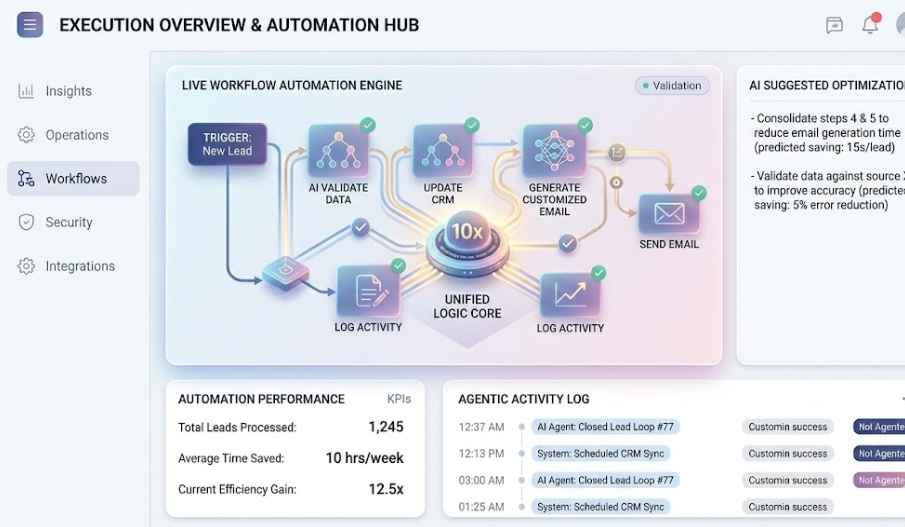
When I look at people who successfully transition from side hustles to businesses, they usually make a deliberate shift. At some point they stop asking, "How can I make more money?" and start asking, "How can I solve this problem without my direct involvement?" That shift often leads to templates, software products, content assets, automation, training systems, or hiring. The goal changes from maximizing income today to creating leverage tomorrow.
The irony is that the best side hustles may not be the highest-paying ones. They may be the ones that teach you something about a market, expose recurring customer problems, and create opportunities to build assets rather than simply sell time. A freelance developer who repeatedly encounters the same client pain point might eventually build a software product around it. A consultant who answers the same questions every week might turn that expertise into a course, newsletter, or platform.
The side hustle trap isn't working after hours. It's staying there indefinitely. Extra income is valuable, especially in uncertain economic environments, but income alone isn't the same thing as progress. The real question isn't whether your side hustle makes money. It's whether you're gradually building something that can grow without consuming more of your time. That distinction often determines whether a side hustle remains a useful source of income or becomes the foundation of something much larger.
AI can help reduce some of the workload, as I explain in How to Use AI to Start a Side Hustle Without Quitting Your Day Job.