Most people think procrastination is a productivity problem.
It isn't.
If procrastination were caused by poor time management, calendars would fix it. Task managers would fix it. Another productivity app would fix it.
Yet people regularly postpone things they genuinely want to do. They delay starting businesses, writing articles, applying for jobs, making difficult decisions, and having important conversations.
The issue isn't time.
It's discomfort.
The Task Is Usually Smaller Than the Emotion
A proposal might take thirty minutes to write.
But writing it means risking rejection.
Launching a product means risking indifference.
Publishing an article means risking criticism.
The emotional cost often feels larger than the task itself.
That's why procrastination appears around meaningful work. We rarely procrastinate on things that don't matter. We procrastinate on things that expose us to uncertainty.
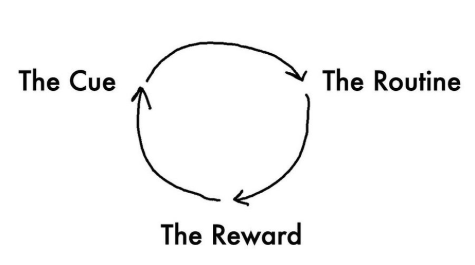
The brain notices that discomfort and immediately looks for an escape route.
Suddenly email seems important. Research feels necessary. Cleaning the kitchen becomes urgent.
The work disappears. The discomfort disappears with it.
Temporarily.
Why Procrastination Often Looks Like Productivity
The most convincing form of procrastination is preparation.
People tell themselves they need:
- one more course
- one more book
- one more week of planning
- one more round of research
At first, preparation is useful.
Eventually, it becomes a substitute for action.
This overlaps heavily with Why People Overthink. In both cases, the goal isn't finding answers. It's delaying exposure to uncertainty.
A useful distinction:
textPreparation gathers information.
Action gathers evidence.
Information feels safe.
Evidence requires putting something into the world.
The Motivation Trap
Many people assume they need motivation before they start.
Reality usually works the other way around.
textExpected:
Motivation → Action → Progress

Actual:
Action → Progress → Motivation
Writers become motivated after writing.
Developers become engaged after solving the first problem.
Founders become excited after talking to real customers.
Waiting for motivation sounds reasonable because it removes responsibility. If motivation hasn't arrived, neither has the obligation to begin.
The problem is that motivation is often a reward for action, not a prerequisite.
When Perfectionism Becomes Avoidance
Perfectionism has a good reputation.
It probably shouldn't.
A surprising amount of perfectionism is just procrastination with better branding.
People convince themselves they're waiting to do something properly. What they're really waiting for is certainty that the outcome will be good.
That certainty never arrives.
This is closely related to Why We Fear Failure More Than We Fear Being Wrong. Unfinished work feels safe because it can't be judged. Finished work can.
Many people don't avoid work because they're lazy. They avoid work because the work matters.
That's an important difference.
Making Starting Easier
Most productivity advice focuses on finishing.
The more useful question is how to start.
Instead of asking:
How do I finish this project?
Ask:
What's the smallest version I can do right now?
| Goal | Smaller Starting Point |
|---|---|
| Write an article | Write 100 words |
| Learn AI | Read one explanation |
| Build a product | Create one screen |
| Find customers | Send one message |
Small starts feel unimpressive.
That's why they work.
Procrastination feeds on tasks that feel intimidating. It struggles against tasks that feel manageable.

The Real Problem
People often describe procrastination as laziness.
Most of the time, it's the opposite.
People procrastinate because they care. They care about failing, being judged, making mistakes, or discovering they're not as capable as they hoped.
The irony is that avoiding those feelings rarely protects us from them. It usually extends them.
Progress tends to belong to people who are willing to feel uncertain, start anyway, and learn from reality rather than waiting for perfect confidence.
That's also why Why Consistency Beats Talent matters so much. Consistent action doesn't eliminate fear. It simply prevents fear from making decisions on your behalf.